Dec 22, 2025
Cancer and Vaccines: An Urgent Issue That Calls for Clarity
In recent months, many questions have circulated about a possible link between childhood cancer and vaccines. Here, I aim to address some of these concerns in a clear and simple way, so we can work together to untangle this complex issue.
SHARE ON
All children need routine vaccines that protect them from serious diseases such as tetanus, whooping cough, and others. These vaccines follow a well-established schedule documented in every child’s health record, and global health organizations confirm that vaccines are not associated with cancer.
So why is this schedule paused when a child is diagnosed with cancer?
When a child develops cancer, they begin a long treatment journey that includes medications that significantly weaken the immune system. In this weakened state, certain vaccines—especially those containing live germs, even if weakened—can pose a real danger. They may be strong enough to threaten a child undergoing chemotherapy (such as the oral polio vaccine). For this reason, these vaccines are avoided for both the child and anyone living in the same household, including siblings. Parents must consult the treating physician, who will advise them on which vaccines remain safe to administer and which should be postponed until after treatment.
What happens after treatment ends?
Once chemotherapy is completed, the child undergoes close medical follow-up, and their vaccination plan is reassessed by the specialist. In some cases, the body may need to be “reminded” of certain vaccines through booster doses that were given prior to treatment.
And finally, Is there a vaccine that can prevent cancer?
While no vaccine can prevent all types of cancer, certain cancers can indeed be prevented through specific vaccines. One example is the HPV vaccine, which protects against cervical cancer.
In conclusion: Vaccinate your children—regret comes too late.
Wishing you and your children lasting health.
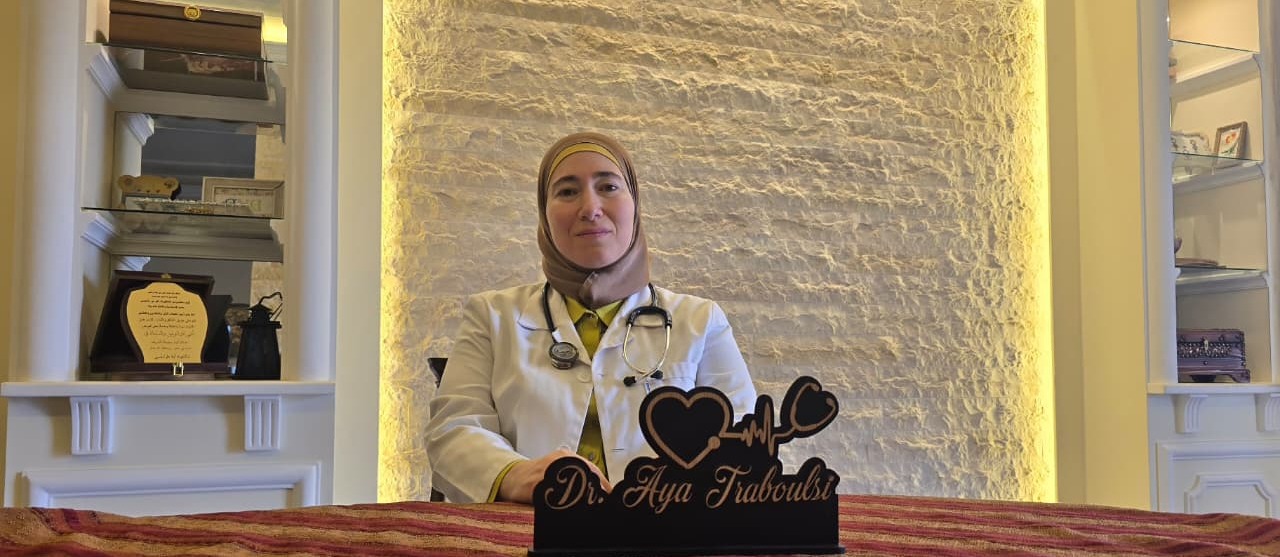
Dr. Aya Al-Traboulsi
Pediatric Hematology and Oncology Specialist
Tripoli, Lebanon
You might also like