Building Tomorrow, One Brick at a Time
At an age when most children measure time in games and school bells, Walid measures it in treatments, waiting rooms, and long pauses between good days.
SHARE ON
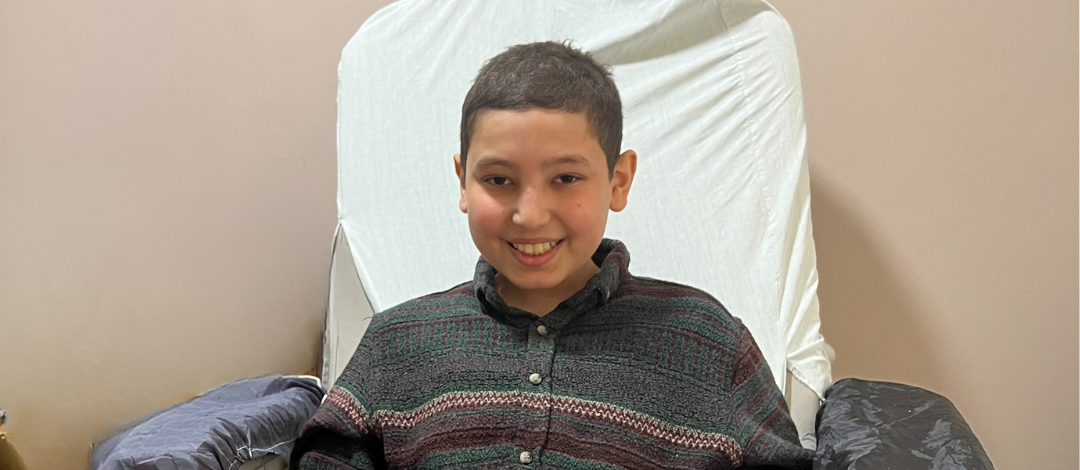
The world often asks him to slow down, to be careful, to rest.
But LEGO doesn’t ask him to wait.
When the pieces spread out in front of him, something shifts. His shoulders relax. His eyes narrow with focus. His hands begin to move with intention, steady and sure, as if they already know what they’re building toward.
This is where Walid feels alive.
LEGO is the only time he feels deeply connected to his future. A future where he isn’t defined by illness, but by ideas. Where he solves problems, builds solutions, and creates things that stand because he made them stand.
“I want to be an engineer,” he says quietly.
It isn’t just a dream.
It’s a direction.
When treatment takes his strength, LEGO gives him purpose. When the days feel heavy, instructions become possibility. Every brick he places teaches him patience, resilience, and trust in the process, lessons no textbook could ever teach.
Sometimes his hands get tired.
Sometimes the structure collapses
And still, he rebuilds.
Because Walid has learned something most of us learn much later: progress doesn’t come from rushing. It comes from believing that small pieces matter.
Today, Walid is fighting a battle no child should have to face. But when he builds, he isn’t just surviving the present.
He is preparing for tomorrow.
One idea. One brick. One unshakable dream at a time.
You might also like